Exploring the Impact of Open World Games: Are They the Future of Educational Games?
When someone mentions open world games, what springs to mind? Endless adventures, freedom to explore vast landscapes, and quests that can be tackled in any order you wish. These games have captured the imagination of players around the globe. But could there be more to them? What if they could also serve as educational tools, shaping the future of educational games? It’s a thought-provoking question that an increasing number of educators and game developers are investigating.
The Allure of Open World Games
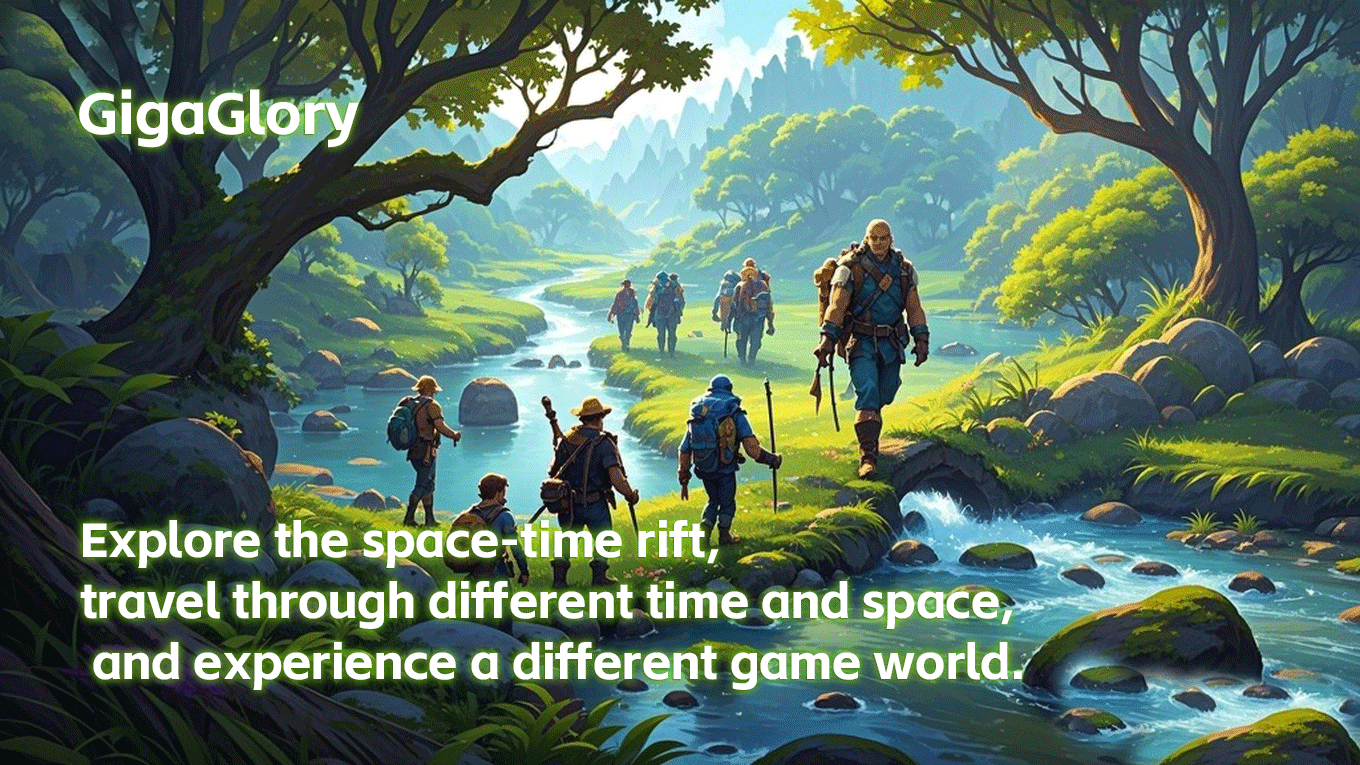
Open world games offer players a unique blend of exploration and storytelling. Unlike traditional linear games, they allow players to craft their own journeys. This freedom is what makes them so engaging. Picture yourself traversing a richly detailed landscape, encountering characters who have their own stories. You decide whether to help them or not, creating a narrative that is distinctly yours. Titles like "The Legend of Zelda: Breath of the Wild" or "Skyrim" not only provide immersive experiences but also challenge players’ problem-solving skills.
Are Open World Games Ready for Educational Use?
With their vibrant environments and interactive gameplay, open world games have potential as educational tools. Teachers are beginning to recognize their capacity to teach various subjects, from history to mathematics. The idea is to blend education with engagement, and let me tell you, that's not as easy as it sounds!
According to a recent survey, 72% of educators believe that incorporating games into the curriculum enhances students' engagement levels. They see a future where best games with good story become a part of traditional learning methods. What does this mean? Perhaps, subjects like geography could be taught through exploration games, allowing students to navigate historical settings and interact with key figures from the past.
Key Benefits of Using Open World Games for Education
- Critical Thinking Development: These games often pose dilemmas, requiring players to think critically to progress.
- Hands-On Learning: Instead of simply reading about events, players can experience them firsthand.
- Social Skills: Multiplayer functions in these games encourage teamwork and communication.
- Creativity Boost: Players can express themselves by making choices that shape their own stories.
- Increased Motivation: The engaging nature of gameplay can keep students motivated to learn.
Challenges to Consider
Despite the potential benefits, challenges remain. Not every open world game is suitable for educational purposes. For instance, players could easily get sidetracked by side quests and forget the original objective. Moreover, the immersive experience can blur the lines between realistic learning and entertainment.
| Challenge | Potential Solutions |
|---|---|
| Lack of Focus | Structured gameplay with clear educational objectives. |
| Accessibility Issues | Ensure games are available on various platforms. |
| Content Relevancy | Choose games that align with specific educational goals. |
Examples of Effective Integrations
Some schools are already experimenting with integrating video games into the classroom. For instance, a renowned school district in California introduced a pilot program using "Minecraft: Education Edition." What did they discover? Students displayed improved teamwork and problem-solving abilities while learning geometry and physics concepts. Imagine them building structures in a game while understanding real-world design principles!
Who Wins the Last War in Game of Thrones?
As we draw parallels to popular culture, we can't overlook how open world games often borrow storytelling techniques from books and shows. A fascinating question arises: who wins the last war in Game of Thrones? This question didn't just captivate audiences; it's a prime example of storytelling influencing gaming narratives. Developers look to such narratives to design quests that resonate with players emotionally and make learning fun.
Final Thoughts: The Future of Educational Gaming
Enthusiasm for open world games in education is on the rise. We’re at a crossroads where gaming could redefine how we learn. While it’s still a work in progress, the future looks promising. The journey ahead requires collaboration between educators, developers, and students to create unforgettable learning experiences.
In conclusion, open world games have significant potential to be integrated into educational frameworks. Balancing fun with learning is key. With appropriate implementation, the line between education and entertainment can blur, ushering in a new era of educational games that not only entice students but also enrich their minds.